equine-assisted therapy
Working alongside a horse, on the ground, as a third partner in the room.
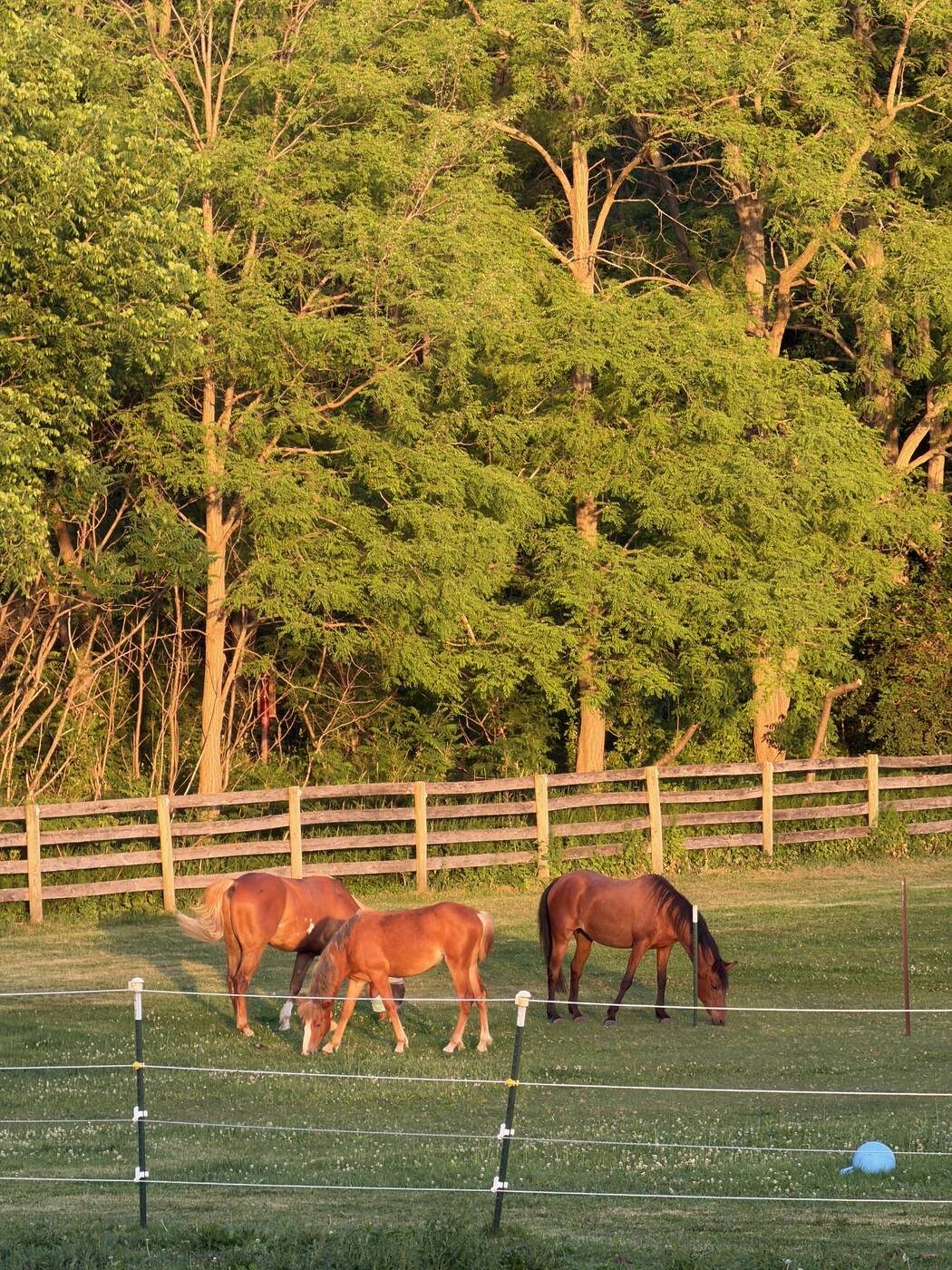
Equine-assisted therapy is a structured, clinician-led modality. No riding. A licensed mental health professional and an equine specialist co-facilitate; the horse responds in real time to body language and emotional state. Sessions typically run 60–90 minutes, with a recommended floor of 8–12 sessions to see measurable change.
Ground-based work in an arena or pasture. The horse is loose or on a lead — never mounted, never tied. Activities range from quiet observation and grooming to leading through obstacles. The horse's honest, non-verbal response becomes the data the work is built around.
People working with trauma and PTSD, anxiety and depression, emotional regulation, relational and boundary patterns, and self-regulation. Also used for physical rehabilitation (hippotherapy) for balance, gait, and range-of-motion conditions.
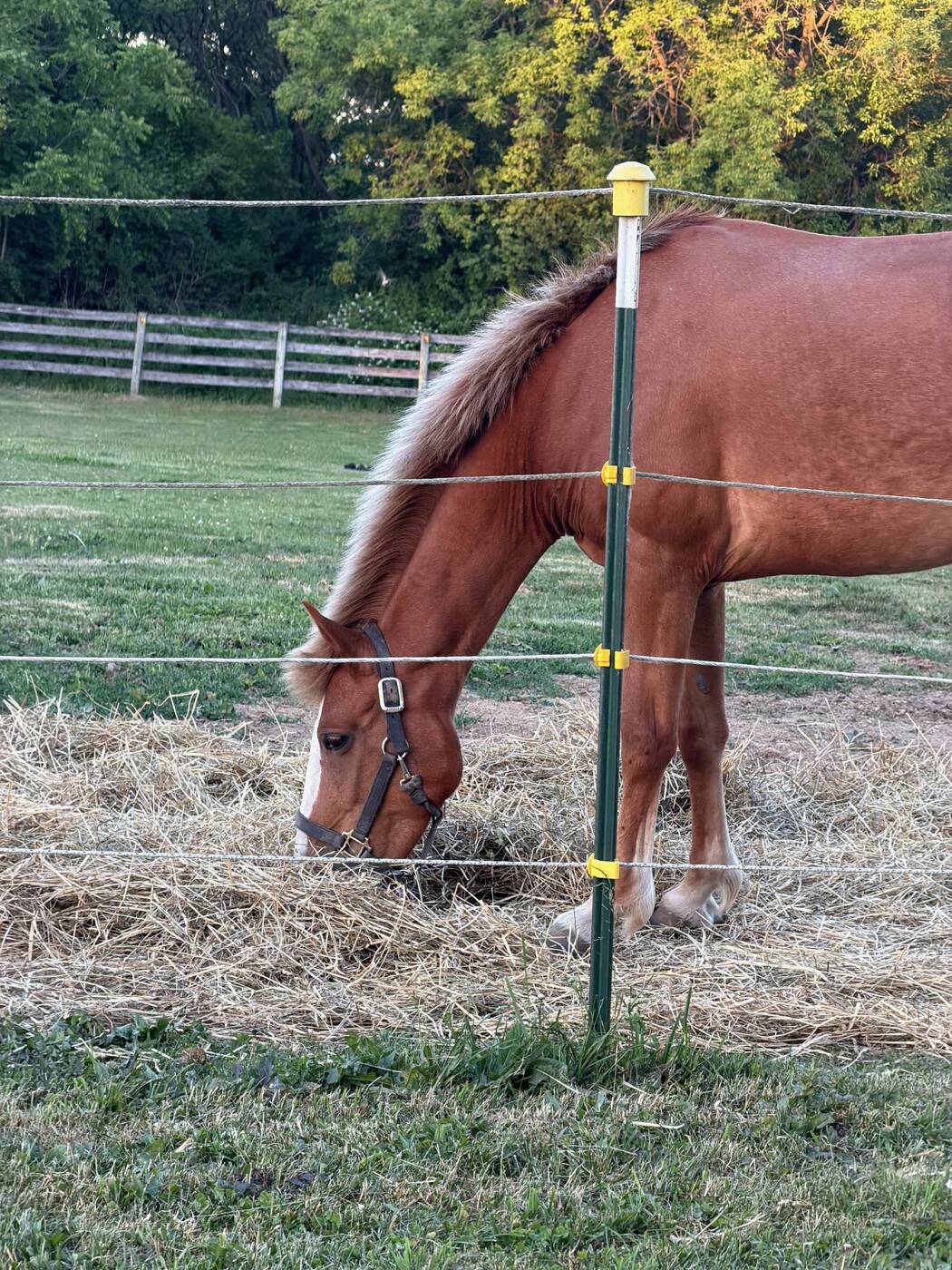
The mechanisms behind ground-based equine work — nervous-system co-regulation, biofeedback through a 1,200 lb prey animal, and the published evidence in PTSD and anxiety.
An 8-session arc — from first meeting through approach, connection, communication, leadership, and integration. Plus the manualized PTSD protocol used in veteran trials.
Your first session, what the arena feels like, how facilitators work, and what tends to shift over a course.
How to find us, what to wear, the property and the herd, and how a visit unfolds.
Working safely around a large animal, who shouldn't participate, allergy and mobility considerations, and the risk profile of ground-based work.